Discover the Top Sneakers of 2026: Innovation Meets Style
Explore the groundbreaking sneaker trends of 2026, featuring sustainable materials, retro designs, and hybrid trail-to-street styles. Find the perfect pair that combines heritage craftsmanship with cutting-edge technology for collectors, professionals, and outdoor enthusiasts alike.
Trending2
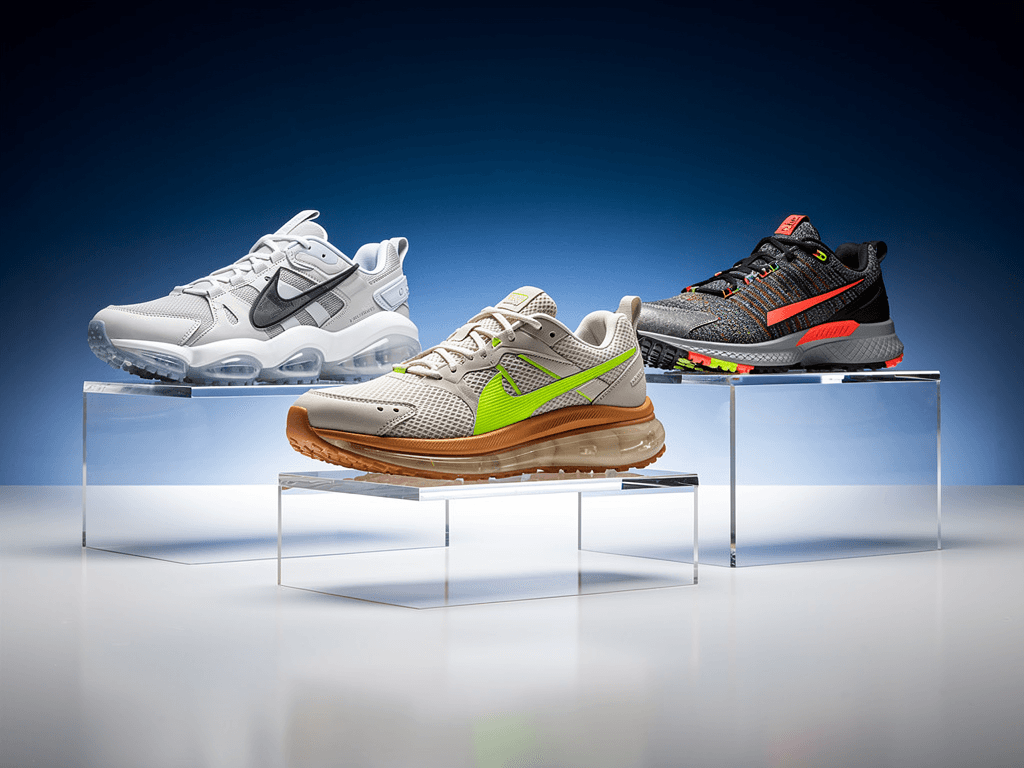
The sneaker landscape is evolving at a breathtaking pace, and 2026 is shaping up to be a landmark year for footwear innovation, design, and cultural significance. Whether you're a dedicated collector hunting limited releases, an urban professional seeking versatile everyday kicks, or an outdoor enthusiast demanding performance and style, this year's offerings deliver on every front. From sustainable materials revolutionizing construction to retro silhouettes making triumphant comebacks, the Top Sneakers in 2026 represent the perfect intersection of heritage craftsmanship and forward-thinking technology.
Key Takeaways
- Sustainable materials dominate the market, with recycled ocean plastics and bio-based foams becoming industry standards
- Retro basketball silhouettes from the 1990s continue their resurgence with modern comfort upgrades
- Hybrid trail-to-street designs offer unprecedented versatility for active lifestyle consumers
- Limited edition collaborations between heritage brands and emerging designers drive resale market excitement
- Smart sneaker technology integrates seamlessly without compromising classic aesthetics
- Quality construction and timeless design trump fleeting trends for discerning buyers
The Rise of Sustainable Sneaker Innovation
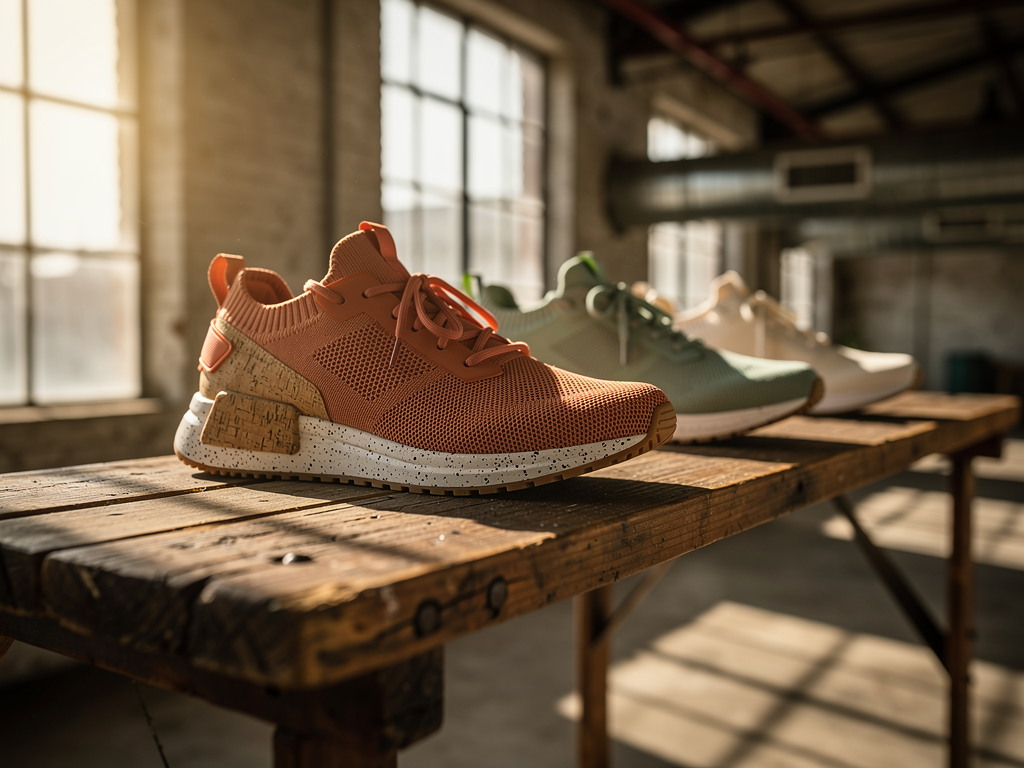
Environmental consciousness has moved from marketing buzzword to genuine industry transformation. Major footwear manufacturers have committed to ambitious sustainability goals, and the results are finally hitting shelves in meaningful ways. Recycled polyester uppers, derived from recovered ocean plastics, now match or exceed the durability of virgin materials while carrying a significantly reduced carbon footprint.
Bio-based midsole foams represent perhaps the most exciting development in sneaker construction this year. Companies have successfully developed plant-derived EVA alternatives that deliver identical cushioning properties without petroleum dependence. These innovations matter particularly to quality-over-quantity conscious consumers who want their purchases to reflect their values without sacrificing performance or aesthetics.
The secondary benefit of sustainable construction has been unexpected longevity. Many eco-friendly materials demonstrate superior resistance to breakdown, meaning your investment lasts longer. For collectors concerned about preservation and resale value, this durability factor adds genuine appeal beyond environmental considerations. Brands like Allbirds have pioneered transparent sustainability reporting, setting standards that larger athletic companies now follow.
Heritage Basketball Silhouettes Reimagined
The 1990s basketball aesthetic continues its dominant cultural moment, but 2026 brings thoughtful evolution rather than simple reproduction. Classic high-top silhouettes now incorporate contemporary cushioning systems invisible to the eye but immediately apparent underfoot. This marriage of nostalgic design and modern comfort technology creates sneakers that satisfy both collectors seeking authentic styling and professionals needing all-day wearability.
Patent leather accents, once reserved for special occasions, have become mainstream design elements across casual and semi-formal contexts. This shift reflects broader changes in workplace dress codes, where urban professionals increasingly incorporate sneakers into business casual wardrobes. The right pair of heritage-inspired basketball shoes now transitions seamlessly from weekend errands to creative office environments.
Colorway releases have become increasingly sophisticated, with brands offering seasonal palettes that complement contemporary menswear trends. Muted earth tones, deep burgundies, and forest greens dominate premium releases, moving away from the loud, attention-grabbing schemes that characterized earlier retro revivals. This maturation appeals to style-conscious men aged 25 to 45 who appreciate subtlety and versatility in their footwear rotation.
| Silhouette Era | Key Design Elements | Modern Upgrades | Best For |
|---|---|---|---|
| Early 1990s | High-top, visible air units | React foam insoles | Collectors, streetwear enthusiasts |
| Mid 1990s | Mid-cut, leather construction | Zoom Air cushioning | Daily wear, office-appropriate |
| Late 1990s | Chunky soles, mixed materials | Boost technology | Fashion-forward consumers |
Trail-to-Street Hybrid Designs
The boundaries between outdoor performance footwear and urban fashion have completely dissolved. Hiking-inspired sneakers featuring aggressive lugged outsoles, water-resistant uppers, and reinforced toe boxes now appear as frequently on city sidewalks as mountain trails. This convergence reflects lifestyle changes among outdoor enthusiasts and adventure seekers who refuse to sacrifice style during their daily commutes.
Technical features once reserved for dedicated hiking boots have been elegantly integrated into streamlined silhouettes. Vibram outsoles provide exceptional grip on wet pavement and rocky terrain alike. Gore-Tex membranes keep feet dry during unexpected downpours without adding bulk or compromising breathability. These functional elements serve practical purposes while simultaneously communicating an active, adventurous lifestyle aesthetic.
For camping and hiking gear shoppers, the hybrid category offers compelling value propositions. Rather than maintaining separate footwear collections for different activities, a single well-designed pair handles weekend trail explorations and weekday urban navigation equally well. This versatility particularly appeals to travelers seeking to minimize luggage while maximizing preparedness for varied conditions. The REI expert guide to hiking footwear provides excellent context for understanding technical specifications.
Pro Tip: When evaluating hybrid trail sneakers, prioritize outsole flexibility over aggressive tread depth for primarily urban use. Overly stiff hiking soles cause fatigue on hard surfaces during extended walking.
Limited Edition Collaborations Driving Market Excitement
The collaboration economy shows no signs of slowing, with 2026 delivering some of the most creative partnerships in sneaker history. Emerging designers from unexpected disciplines bring fresh perspectives to established silhouettes, creating releases that feel genuinely innovative rather than merely repackaged. Fashion houses, contemporary artists, and even culinary figures have contributed unique visions to major footwear releases.
For hype sneaker investors and resale marketplace shoppers, understanding collaboration dynamics has become essential knowledge. Not every limited release appreciates in value, and discerning collectors have learned to evaluate artistic merit alongside scarcity factors. The most successful investments typically combine genuine design innovation with authentic cultural relevance rather than relying solely on artificial supply constraints.
Limited edition sneaker hunters have developed sophisticated strategies for securing coveted releases. Raffle systems have largely replaced first-come-first-served drops, creating more equitable access while maintaining excitement around release events. Building relationships with local boutiques and maintaining active presence in sneakerhead community spaces improves odds significantly compared to relying exclusively on major retailer websites.
Smart Technology Integration Without Compromise
Wearable technology has matured considerably, and sneaker-integrated sensors now offer genuinely useful functionality without the awkward aesthetics that plagued earlier attempts. Step counting, gait analysis, and even real-time coaching feedback operate through nearly invisible components that don't affect fit, weight, or appearance. For athletic footwear buyers seeking performance optimization, these features provide actionable insights previously available only through dedicated sports equipment.
Battery life concerns that limited earlier smart sneakers have been addressed through innovative energy harvesting systems. Kinetic charging converts walking motion into electrical power, maintaining sensor functionality indefinitely without manual recharging. This seamless operation removes the friction that prevented mainstream adoption of previous smart footwear generations.
Privacy-conscious consumers appreciate that leading smart sneaker platforms now offer robust data control options. Activity information can remain entirely local on paired devices, with cloud synchronization available but not required. This flexibility addresses legitimate concerns about biometric data collection while preserving functionality for users who value connected features.
Investment-Worthy Craftsmanship and Timeless Design
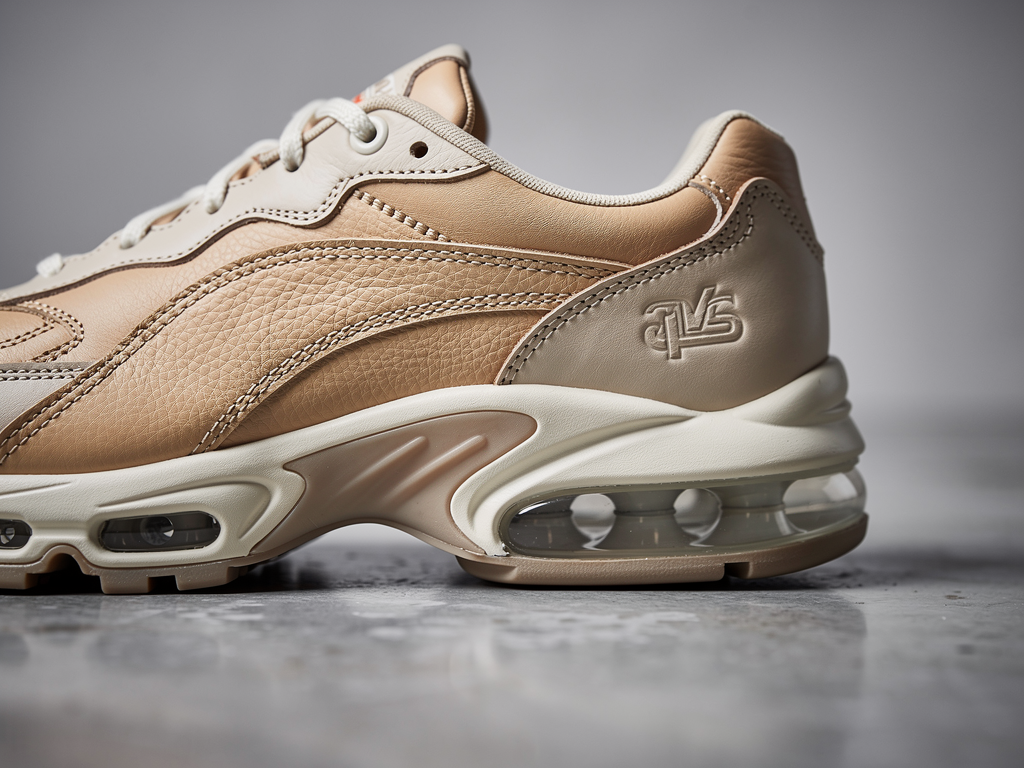
Beyond trends and technology, the most satisfying sneaker purchases in 2026 emphasize fundamental quality that transcends seasonal fashion cycles. Heritage and craft brands continue demonstrating that superior materials and construction techniques create footwear worth owning for years rather than months. Full-grain leather uppers develop beautiful patina over time, becoming more characterful with wear rather than simply degrading.
Resoleable constructions have gained significant traction among environmentally and economically conscious consumers. Rather than discarding entire shoes when outsoles wear through, quality designs allow component replacement that extends useful life indefinitely. This approach aligns perfectly with quality-over-quantity conscious male consumers who prefer investing in fewer, better items rather than constantly replacing disposable goods.
For gift buyers shopping for men, premium sneakers represent thoughtful presents that combine practicality with luxury. Unlike many gift categories where personal preference creates uncertainty, well-chosen footwear demonstrates attention to the recipient's lifestyle while providing genuine daily utility. Classic colorways in versatile silhouettes minimize fit concerns while maximizing appreciation.
Conclusion
The sneaker market in 2026 rewards informed consumers who understand the intersection of quality, innovation, and personal style. Whether your priorities emphasize sustainable construction, heritage aesthetics, outdoor performance, or investment potential, exceptional options exist across every category. The key lies in identifying your genuine needs rather than chasing every hyped release, building a curated collection that serves your actual lifestyle while reflecting your values.
Smart purchasing decisions consider longevity alongside initial appeal, recognizing that the best sneakers become trusted companions rather than fleeting acquisitions. By prioritizing craftsmanship, versatility, and authentic design innovation, you'll build a footwear rotation that delivers satisfaction far beyond the initial unboxing excitement.
Frequently Asked Questions
How Do I Authenticate Sneakers Before Purchasing from Resale Markets?
Authentication requires examining multiple verification points including stitching consistency, material quality, box label accuracy, and manufacturing date codes. Reputable resale platforms like StockX and GOAT employ professional authenticators who physically inspect items before completing transactions, providing significant buyer protection. For private sales, request detailed photographs of interior tags, outsole patterns, and box labels before committing. Compare these images against verified authentic examples from collector databases. When possible, handle shoes in person before purchasing, as weight distribution and material feel often reveal counterfeits that pass visual inspection. Consider investing in authentication services for high-value purchases, as the modest fee provides peace of mind worth many times the cost.
What Makes Sustainable Sneakers Worth the Premium Price?
Sustainable sneakers justify higher price points through multiple value dimensions beyond environmental impact. Manufacturing processes using recycled and bio-based materials often require specialized equipment and smaller production runs, increasing per-unit costs. However, consumers typically receive superior durability as compensation, with eco-friendly materials frequently outperforming conventional alternatives in longevity testing. The ethical satisfaction of reducing environmental footprint adds intangible value that resonates with values-driven purchasers. Additionally, sustainable brands often maintain more transparent supply chains with better labor practices, meaning your purchase supports broader positive impacts. When calculating true cost-per-wear over extended ownership periods, premium sustainable sneakers frequently deliver better value than cheaper alternatives requiring more frequent replacement.
How Should I Store Sneakers to Preserve Their Condition and Value?
Proper storage begins with thorough cleaning before putting sneakers away, as dirt and oils accelerate material degradation over time. Use cedar shoe trees to maintain shape and absorb moisture, preventing creasing and mildew development. Store pairs in climate-controlled environments away from direct sunlight, which causes color fading and material breakdown. Original boxes provide adequate protection for most purposes, though serious collectors invest in clear acrylic display cases that prevent dust accumulation while allowing visual enjoyment. Silica gel packets inside storage containers control humidity levels that otherwise promote adhesive separation and rubber deterioration. Rotate worn pairs regularly rather than wearing the same sneakers consecutively, allowing materials to fully dry between uses and extending overall lifespan significantly.
Which Sneaker Styles Work Best for Business Casual Environments?
Business casual sneaker selection prioritizes clean silhouettes, premium materials, and subdued colorways that complement rather than compete with professional attire. Low-top leather designs in white, black, navy, or neutral tones integrate seamlessly with chinos, dress trousers, and unstructured blazers. Avoid athletic styling cues like visible air units, aggressive branding, or bright accent colors that signal weekend casual rather than workplace appropriate. Minimalist designs from brands emphasizing quality construction over logo prominence typically succeed in professional contexts. Consider the specific workplace culture when pushing boundaries, as creative industries tolerate bolder choices than traditional corporate environments. Maintain immaculate condition through regular cleaning, as scuffed or dirty sneakers undermine the elevated casual impression you're cultivating regardless of how premium the original design.
Are Limited Edition Sneakers Good Investments for Resale Profit?
Limited edition sneakers can generate returns, but treating footwear as investment vehicles requires realistic expectations and considerable expertise. Most releases depreciate or maintain roughly retail value rather than appreciating significantly. Successful resale investing demands deep market knowledge, reliable access to limited releases, and patience to hold inventory through value fluctuations. Storage costs, authentication fees, and platform commissions reduce margins substantially on all but the most sought-after releases. The most consistent profits come from building genuine community connections and developing expertise in specific niches rather than chasing every hyped drop. For most enthusiasts, purchasing sneakers you genuinely want to wear provides better satisfaction than speculative buying. If investment potential influences purchasing decisions, focus on collaborations with proven track records and culturally significant releases rather than artificial scarcity alone.
How Often Should I Replace My Primary Everyday Sneakers?
Replacement timing depends on construction quality, usage intensity, and personal standards rather than arbitrary timelines. Athletic sneakers used for running or training typically require replacement every 300 to 500 miles as cushioning systems compress and lose shock absorption capability. Casual lifestyle sneakers from quality manufacturers often remain structurally sound for two to three years of regular rotation with proper care. Watch for visible midsole compression, outsole wear patterns affecting traction, and upper material breakdown as indicators that replacement approaches. Resoleable constructions extend useful life indefinitely through component replacement rather than complete disposal. Rotating between multiple pairs rather than wearing the same sneakers daily dramatically extends individual pair longevity by allowing materials to recover between uses. Investing in quality initially typically reduces long-term replacement frequency and associated costs compared to repeatedly purchasing inexpensive alternatives.
Ready to Elevate Your Footwear Game?
Discovering sneakers that match your lifestyle, values, and aesthetic preferences shouldn't require endless searching across dozens of retailers. Huckberry's curated selection of premium men's footwear brings together heritage craftsmanship, contemporary design, and genuine quality in one destination. Whether you're seeking versatile everyday kicks, rugged outdoor-ready options, or refined styles for elevated casual occasions, explore the collection today and find your next favorite pair.
Comments(0)